
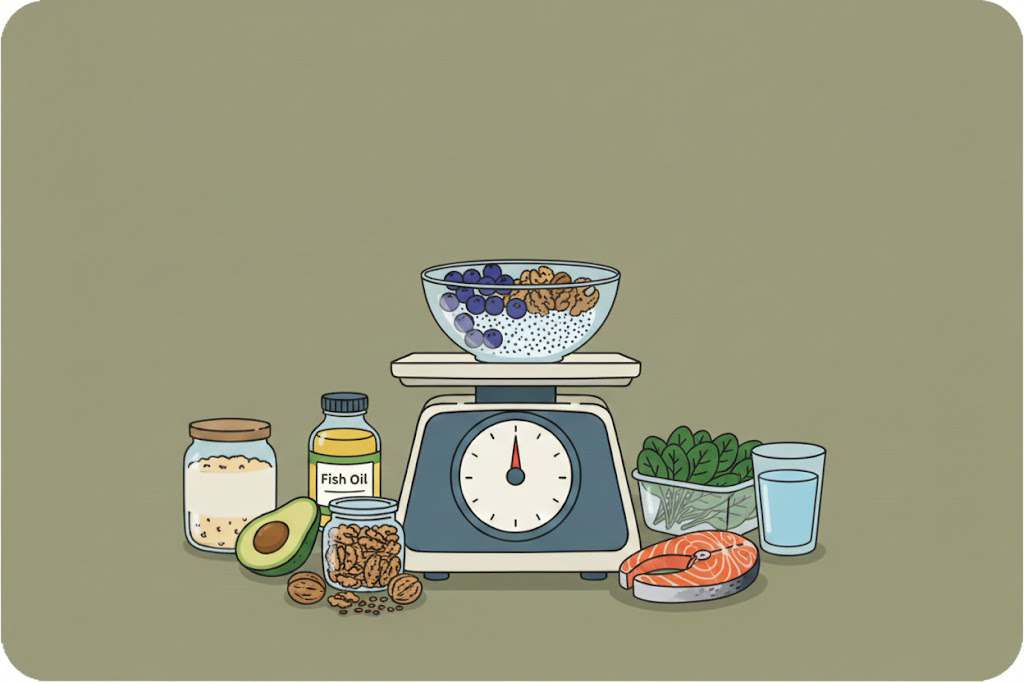
How Diet Supports Healthy Tears and Comfortable Vision
Dry Eye is a chronic, inflammatory condition of the ocular surface and tear film. While in-clinic treatments are essential, nutrition plays a critical supporting role in improving tear quality, reducing inflammation, and supporting long-term symptom control.
Here we outline the key nutrients shown to benefit dry eye, and how dietary choices can support your treatment outcomes.
Emerging research suggests that gut health may influence ocular inflammation, highlighting a new dimension of dry eye nutrition.
Incorporating prebiotic and probiotic-rich foods can support a balanced microbiome, potentially easing dryness and irritation. Additionally, staying mindful of meal timing and nutrient diversity can enhance overall eye comfort. Exploring these strategies alongside traditional dietary advice further strengthens a comprehensive dry eye nutrition approach.