

Dry Eye syndrome is a chronic and often progressive condition in which the eyes do not produce enough tears, or the tears produced are unable to adequately protect and nourish the eye. This usually occurs because the tear film becomes unstable, leading to irritation, inflammation, blurred vision, and discomfort.
Despite its name, Dry Eye syndrome is not simply about a lack of tears. In many cases, people with dry eye syndrome actually produce tears, but those tears evaporate too quickly or lack the correct balance of components needed to keep the eye surface healthy.
Dry eye syndrome can affect people of all ages and lifestyles and is increasingly common in modern society.
The following are common symptoms of dry eye syndrome. If you are experiencing any of these, you may be suffering from dry eye and should consider scheduling an assessment by getting in contact with us.
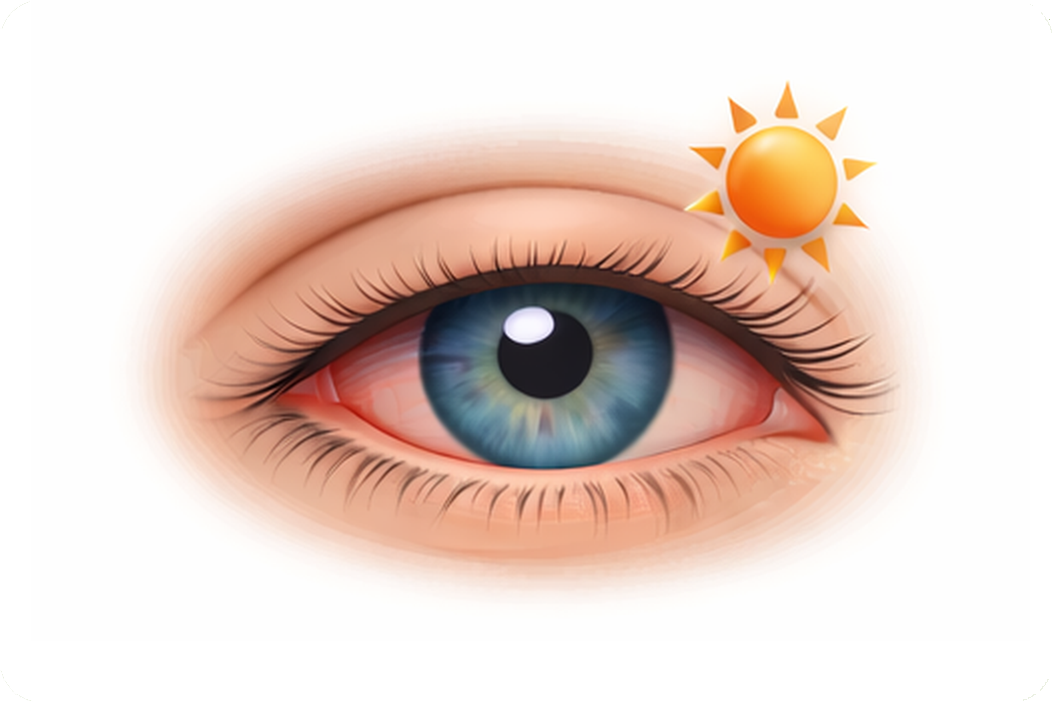
A persistent feeling of dryness, burning, stinging, or discomfort caused by an unstable or insufficient tear film.
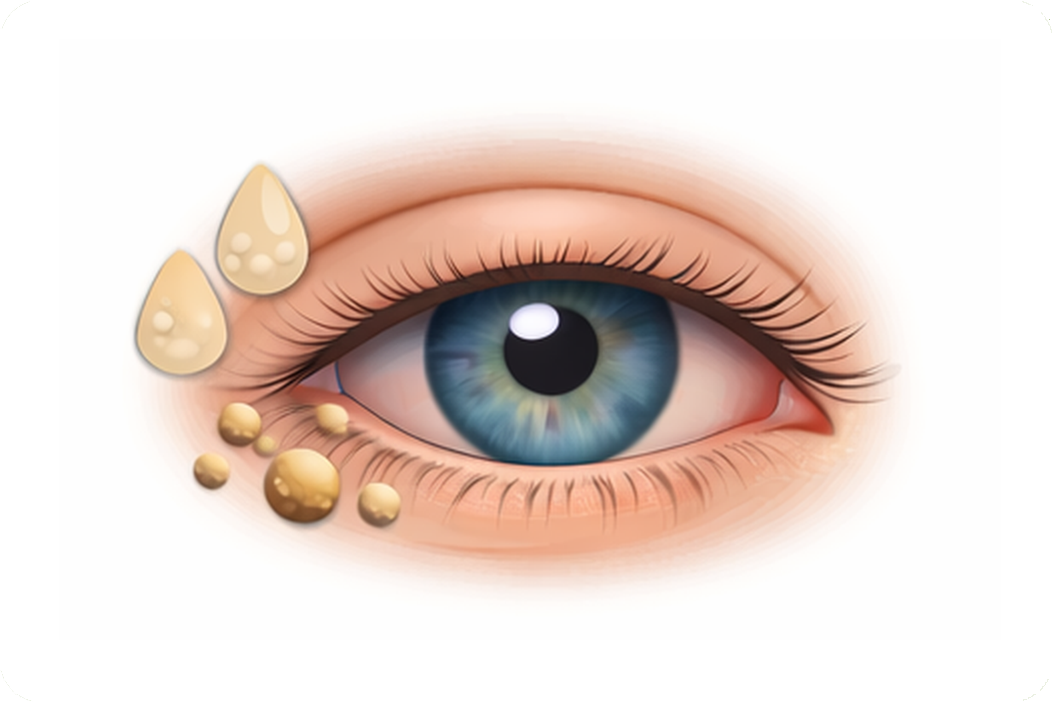
A sensation of sand, grit, or something in the eye, even when nothing is present, commonly linked to eye surface dryness or irritation.
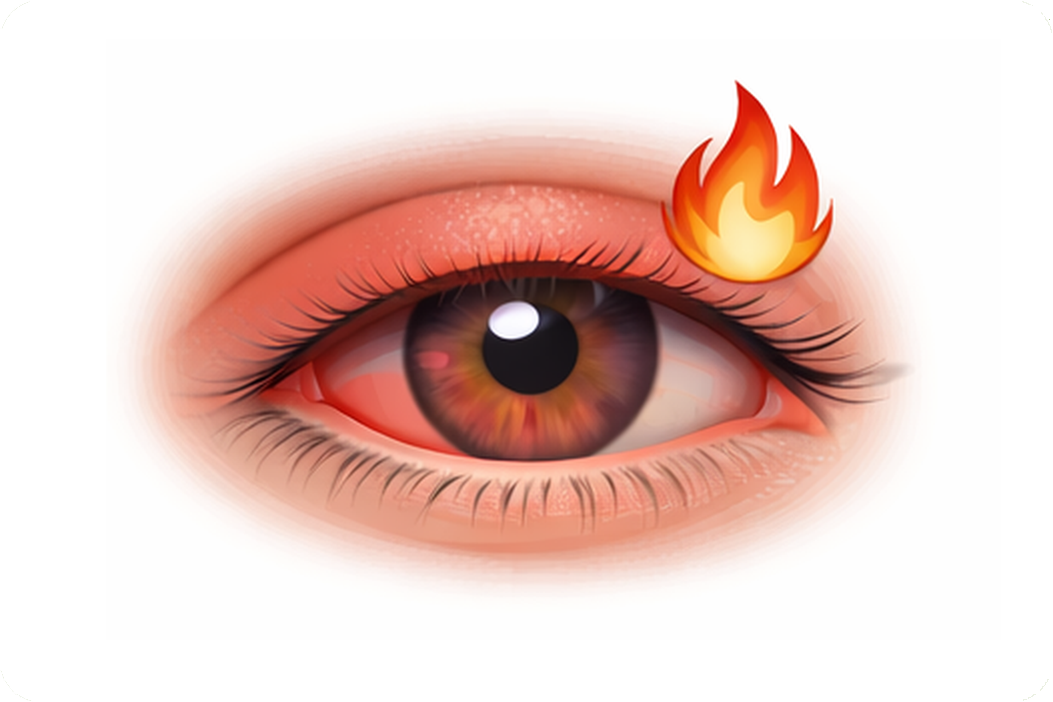
Red or bloodshot eyes, styes and chalazions, swollen or irritated eyelids, and a heavy or sore feeling around the eyes due to inflammation or gland dysfunction.
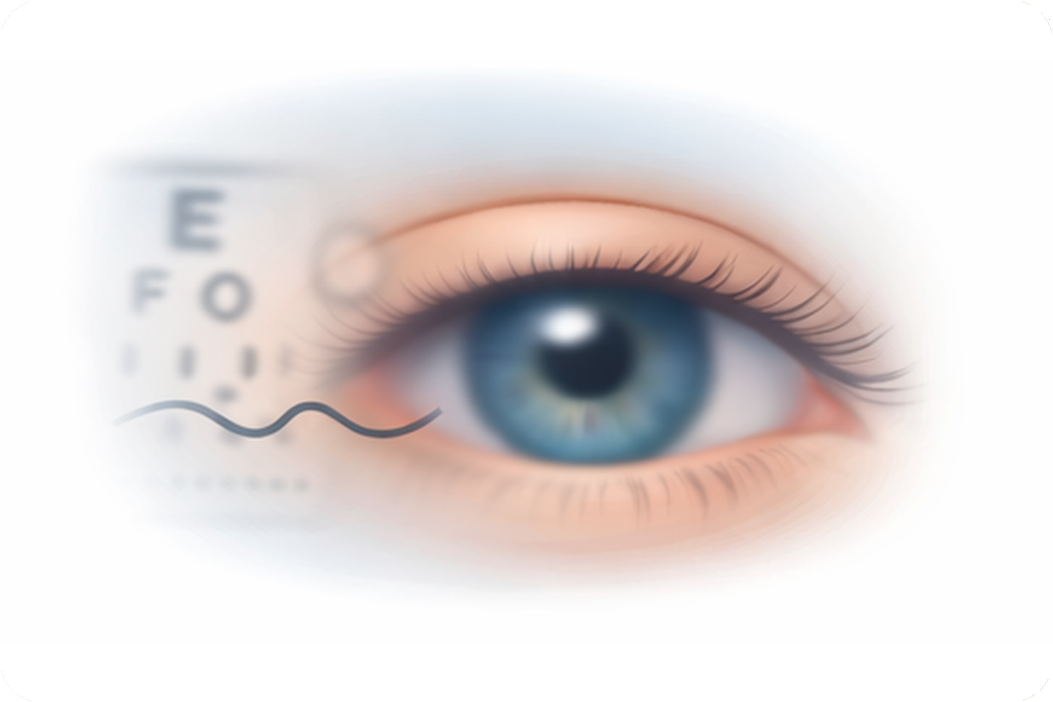
Eyes may water excessively as a reflex response to dryness. Vision becomes blurry, unstable, or difficult to focus, and symptoms often worsen during reading or screen use.
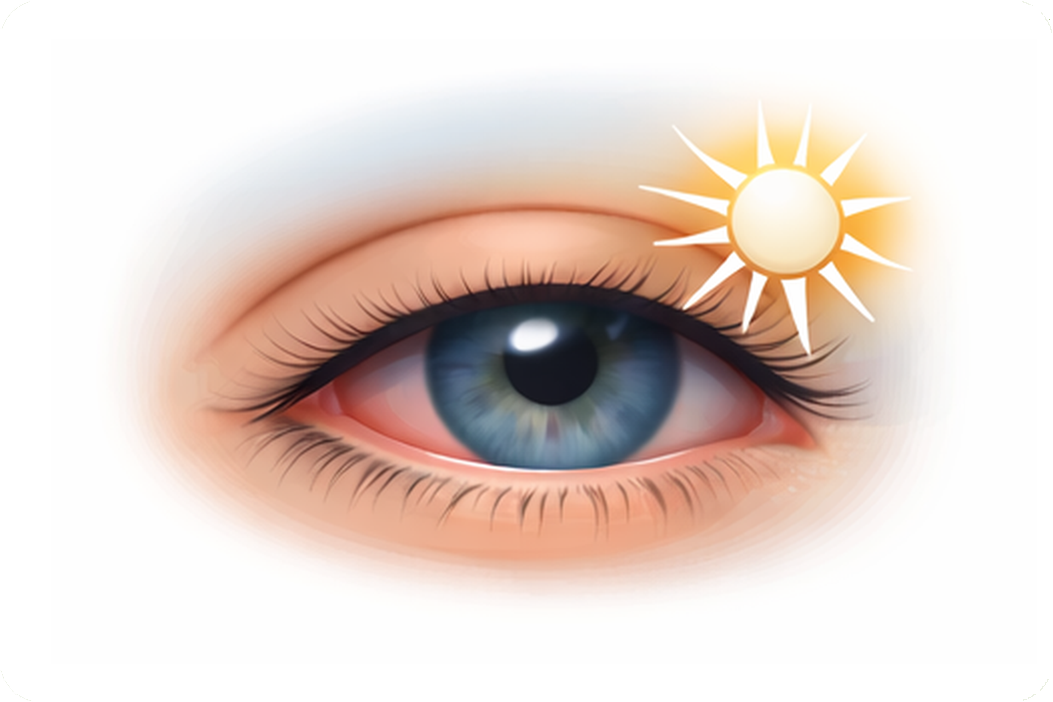
Tired, strained eyes with increased sensitivity to light, especially after prolonged visual tasks or extended screen time.
A healthy tear film has three essential layers:
Produced by the Meibomian glands. The outermost layer that prevents tear evaporation and keeps the tear film surface smooth and stable.
Produced by the lacrimal glands. The thickest layer that hydrates, nourishes, and lubricates the eye surface while washing away debris.
Produced by goblet cells in the conjunctiva. Anchors the tear film to the cornea so it spreads evenly and stays stable with each blink.
If any one of these layers is disrupted, the tear film becomes unstable, leading to dry eye symptoms.
Dry eye can be multifactorial, meaning it often has more than one cause. It could be triggered by a range of lifestyle, environmental, physical health factors and inflammation.
Certain occupations involve conditions that significantly increase the risk of dry eye:
MGD is the most common cause of evaporative dry eye syndrome.
Certain eye procedures can temporarily or permanently affect tear production and gland function.
Post-surgical dry eye is often temporary, but after corneal refractive surgery symptoms may persist long-term. Surgery can disrupt corneal nerves that signal tear production.
Cataract surgery may worsen pre-existing dry eye or trigger new symptoms. Eyelid procedures can affect blink mechanics and tear distribution.
Allergic eye disease and dry eye often co-exist, sharing overlapping symptoms.
Seasonal and perennial allergens such as pollen, dust mites and pet dander can trigger ocular inflammation, disrupting the tear film and increasing surface sensitivity.
Chronic use of antihistamine eye drops or oral antihistamines can significantly reduce tear secretion, worsening dry eye symptoms.
A range of systemic conditions and life stages can affect tear production and quality:
Frequent styes or chalazions are often a sign of underlying dry eye and eyelid dysfunction.
Dry eye can also present as:
Many patients:
Dry eye syndrome requires specialised evaluation to identify the underlying cause and guide effective treatment.
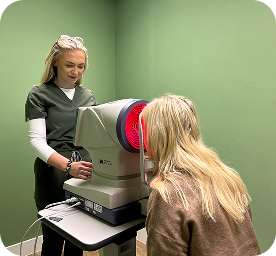
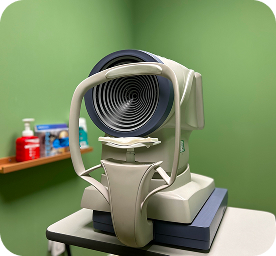
Without treatment, dry eye syndrome can lead to:
Early diagnosis allows for targeted treatment and helps prevent long-term damage.
Dry Eye syndrome is far more than occasional dryness. It is a chronic condition influenced by lifestyle, environment, eyelid health, and systemic factors, with symptoms that affect comfort, vision, and daily life.
With comprehensive assessment and modern treatment options, dry eye syndrome can be effectively managed. Restoring comfort, clarity, and confidence.