
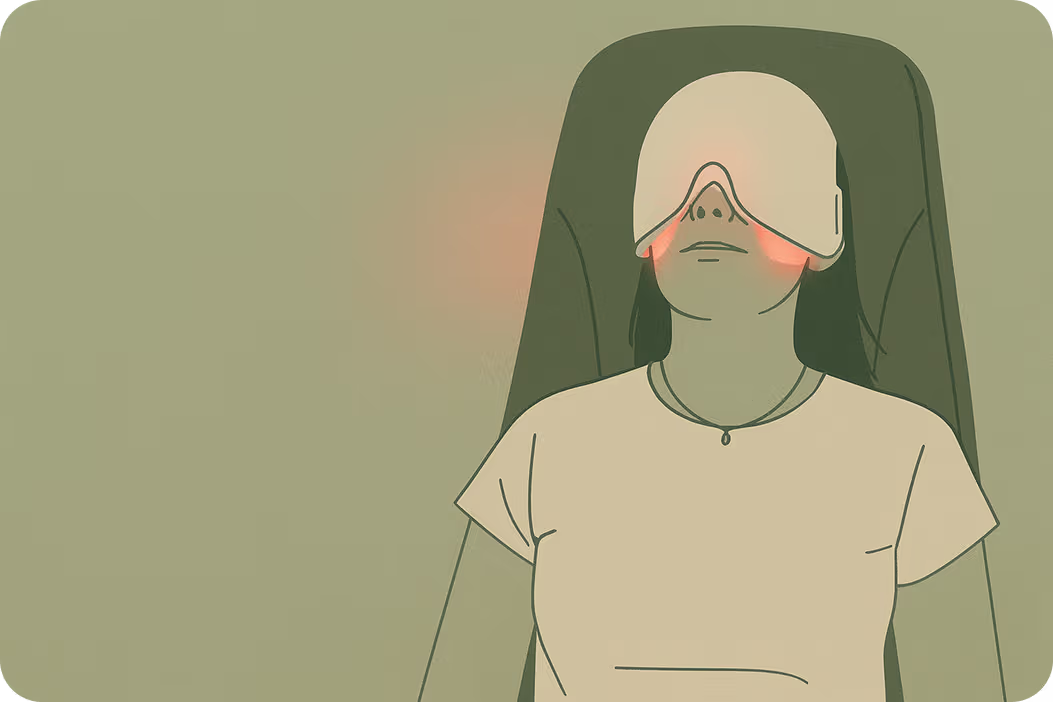
Low Level Light Therapy (LLLT) is a gentle, non-invasive treatment used to improve Meibomian Gland Dysfunction (MGD) and relieve symptoms of Dry Eye. LLLT uses carefully controlled wavelengths of light to stimulate cellular activity, reduce inflammation, and support healthier meibomian gland function.
Unlike heat-based or mechanical treatments, Low Level Light Therapy (LLLT ) works at a cellular level, encouraging the eyelids and glands to function more normally without pressure or discomfort.
Healthy meibomian glands rely on normal cellular function to produce and secrete high-quality oils.
In Dry Eye:
LLLT helps support cellular repair and metabolism, addressing dry eye at its biological source rather than only treating surface symptoms.
LLLT improves dry eye symptoms through several mechanisms:
Stimulating Meibomian Gland Function
Light energy enhances cellular activity within the glands, encouraging improved oil production and secretion.
Reducing Inflammation
LLLT has anti-inflammatory effects that help calm chronic eyelid and ocular surface inflammation.
Improving Blood Flow and Tissue Health
The therapy promotes microcirculation, delivering oxygen and nutrients to eyelid tissues that support long-term gland health.
Supporting Tear Film Stability
By improving oil quality and gland function, LLLT helps reduce tear evaporation and stabilize the tear film.
LLLT may be recommended for patients who experience:
Your dry eye specialist will determine if LLLT is appropriate based on your symptoms and clinical findings.
Step 1: Comprehensive Dry Eye Assessment
Before treatment, the specialist conducts a detailed assessment, which may include:
This ensures LLLT is integrated into a personalized treatment plan.
Step 2: Preparation for Treatment
Step 3: Light Therapy Session
The device delivers low-level light to the eyelids for a set period, usually 10–15 minutes. The light is painless and does not generate significant heat.
Step 4: Post-Treatment Care
After LLLT:
Patients report that LLLT is:
There is typically no redness or irritation after treatment.
LLLT is usually performed as:
The exact schedule depends on symptom severity and treatment goals.
When performed by a trained dry eye specialist, LLLT is:
The light levels used are carefully controlled and do not damage ocular tissues.
With consistent treatment and appropriate dry eye management, patients experience:
Clinicians trained in dry eye management.
Personalised plans designed for your lifestyle.
Proven treatments like IPL & LLLT.
We support you from start to finish.
Improve quality of life for patients with dry eye disease.
To be recognised as the leading dry eye centre in the UK.
Innovation, Integrity, Compassion, Patient First.