
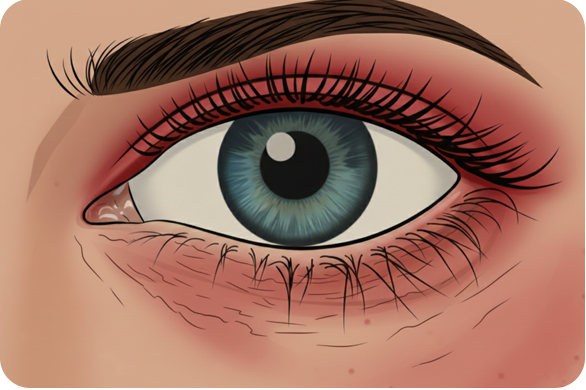
Rosacea is a chronic inflammatory skin condition that most commonly affects the face, but for many people, it also affects the eyes and eyelids. This form is known as ocular rosacea and is a frequently overlooked cause of persistent dry eye symptoms, blepharitis, and recurrent styes or chalazions.
Because ocular rosacea often goes undiagnosed, patients may struggle with eye discomfort for years before receiving appropriate treatment.
The exact cause of rosacea is not fully understood, but it is believed to involve a combination of:
Rosacea tends to flare in response to specific triggers, which can vary from person to person.
Triggers may include:
When rosacea flares, inflammation can extend to the eyelids and oil glands, directly impacting tear film stability.
Ocular rosacea occurs when rosacea-related inflammation affects the eyelids, meibomian glands, and ocular surface.
Common signs and symptoms include:
Many patients with ocular rosacea may have minimal or no facial symptoms, making diagnosis more challenging.
Rosacea-related inflammation disrupts the meibomian oil glands, leading to:
This creates a cycle in which inflammation worsens dryness, and dryness further fuels inflammation.
Ocular rosacea is diagnosed based on:
Early diagnosis allows for more effective symptom control and prevents long-term gland damage.
Ocular rosacea requires a multifaceted, long-term treatment approach focused on inflammation control and gland health.
Advanced therapies may include:
Intense Pulsed Light (IPL)
Reduces abnormal blood vessels, inflammation, and bacterial load; improves meibomian gland function.
Meibomian Gland Expression treatments
Helps clear blocked glands and restore oil flow.
Blephex Treatment
Removes inflammatory debris and bacterial biofilm.
Prescription medications
Anti-inflammatory or antibiotic therapies (topical or oral) may be used to control flare-ups.
Rosacea is a lifelong condition with periods of remission and flare-ups. While it cannot be cured, symptoms can be effectively managed with consistent care and early intervention.
Without treatment, chronic inflammation can lead to:
Successful management focuses on:
A proactive approach can significantly improve comfort and quality of life.
You should seek professional evaluation if:
Early diagnosis and targeted therapy can prevent long-term complications.
Clinicians trained in dry eye management.
Personalised plans designed for your lifestyle.
Proven treatments like IPL & LLLT.
We support you from start to finish.
Improve quality of life for patients with dry eye disease.
To be recognised as the leading dry eye centre in the UK.
Innovation, Integrity, Compassion, Patient First.